1.
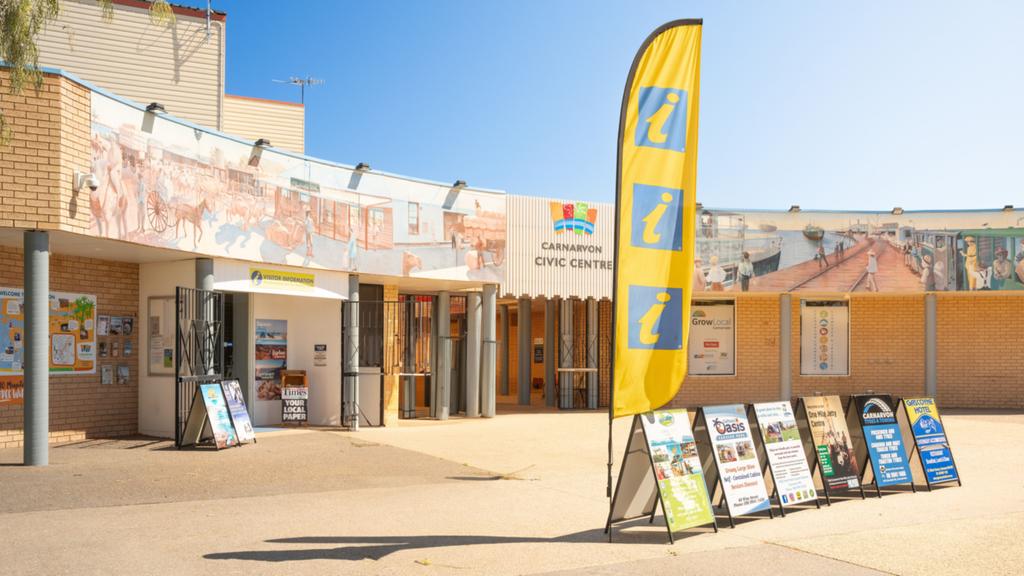
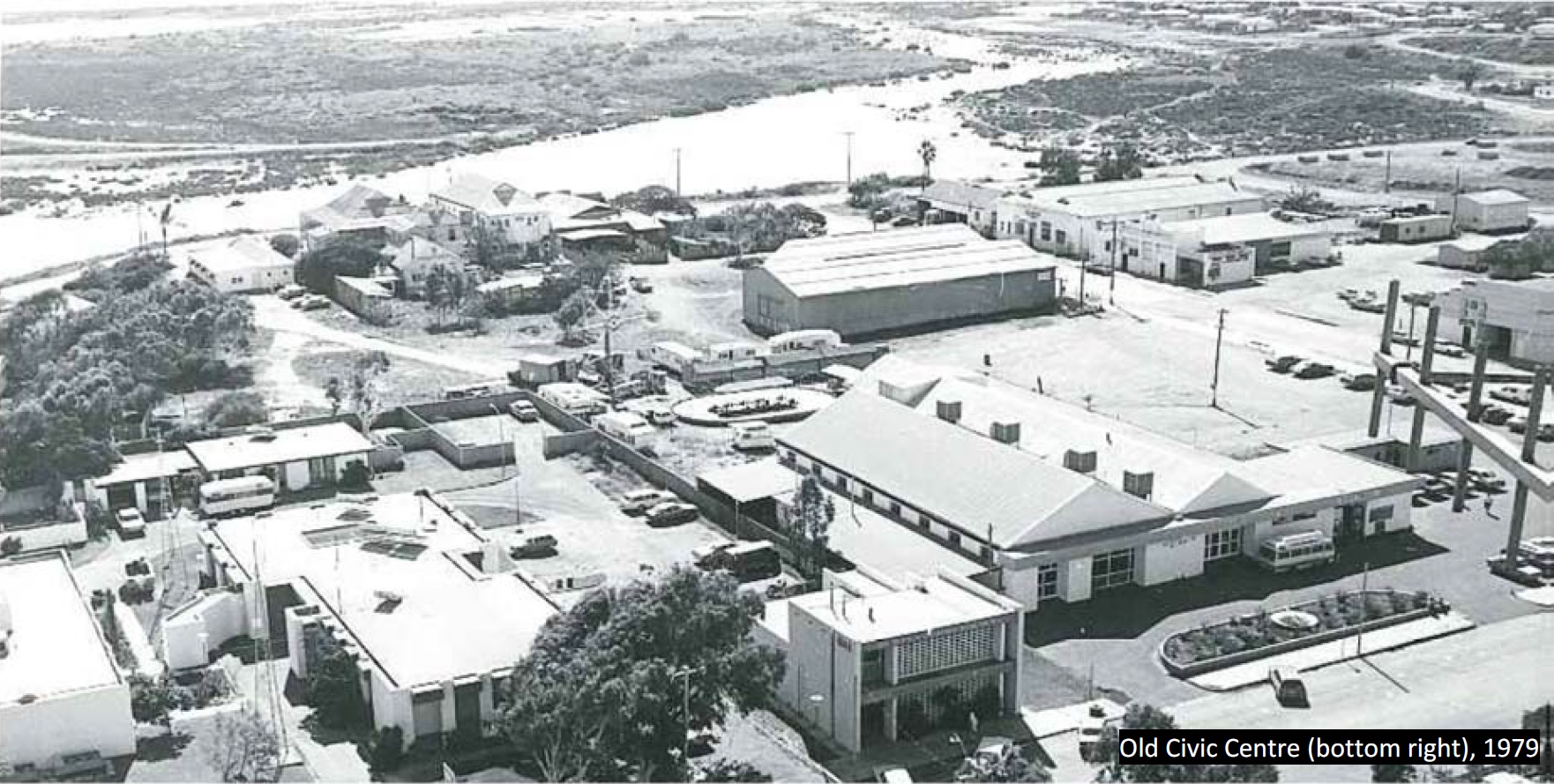
CARNARVON VISITOR CENTRE AND CIVIC CENTRE
The original site of the goods shed, storing wool and other goods which were transported to ‘One Mile Jetty’ via tram. The goods shed was renovated in 1966 and turned in the Civic Centre that comprised a hall, theatre, museum and Tourist Bureau. The building was demolished in 1990, and the Civic Centre was rebuilt, comprising of Camel Lane Theatre, Woolshed (hall) and Visitor Centre.
|
|
|
|
2.
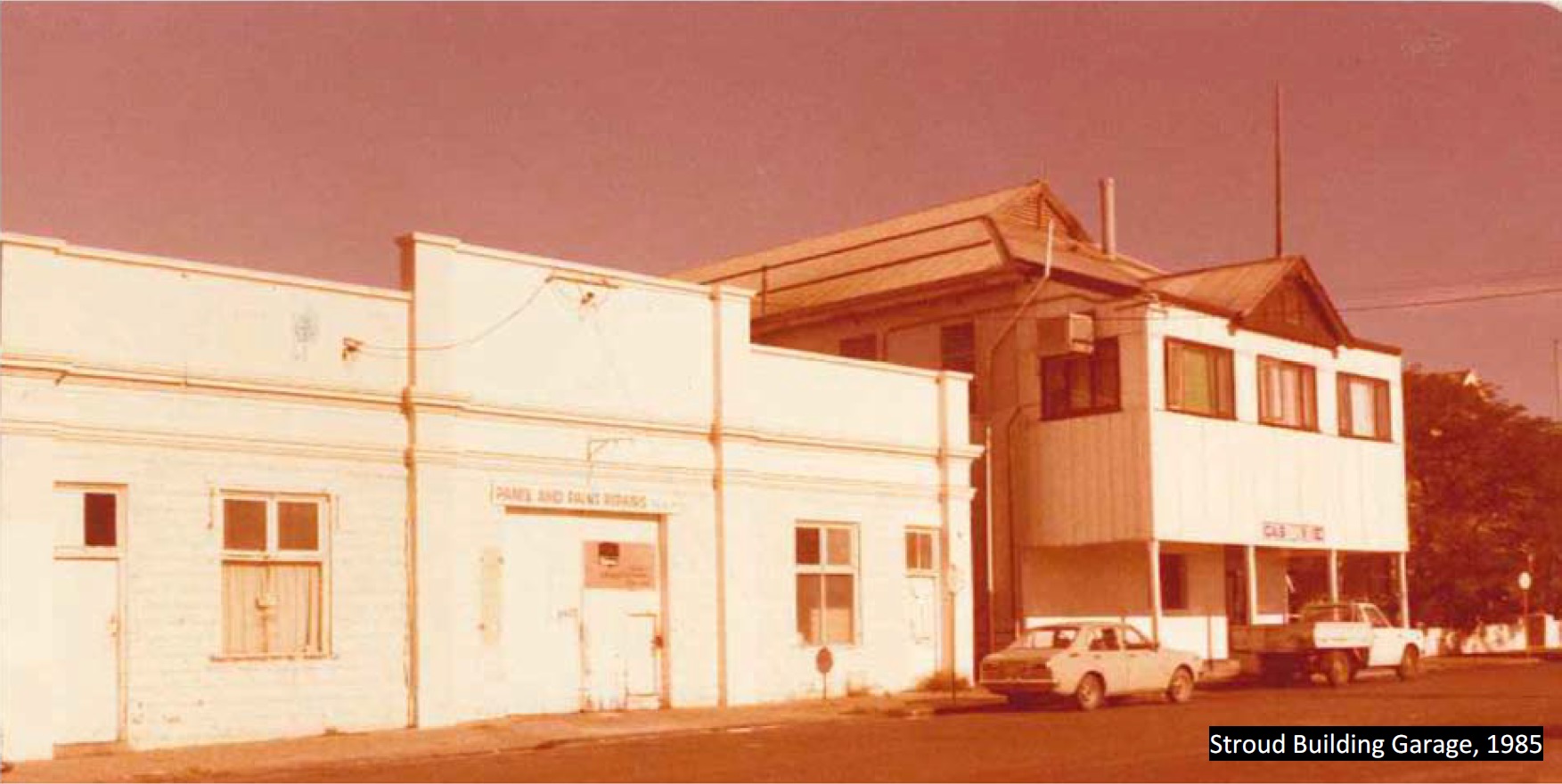
STROUD GARAGE BUILDING FACADE
The Stroud Building Garage constructed in 1918 was used for a dance hall and vehicle service and sales. In 1997 Lotteries House was constructed retaining the original façade due to its historical importance to the town.
|
|
|
|
3.
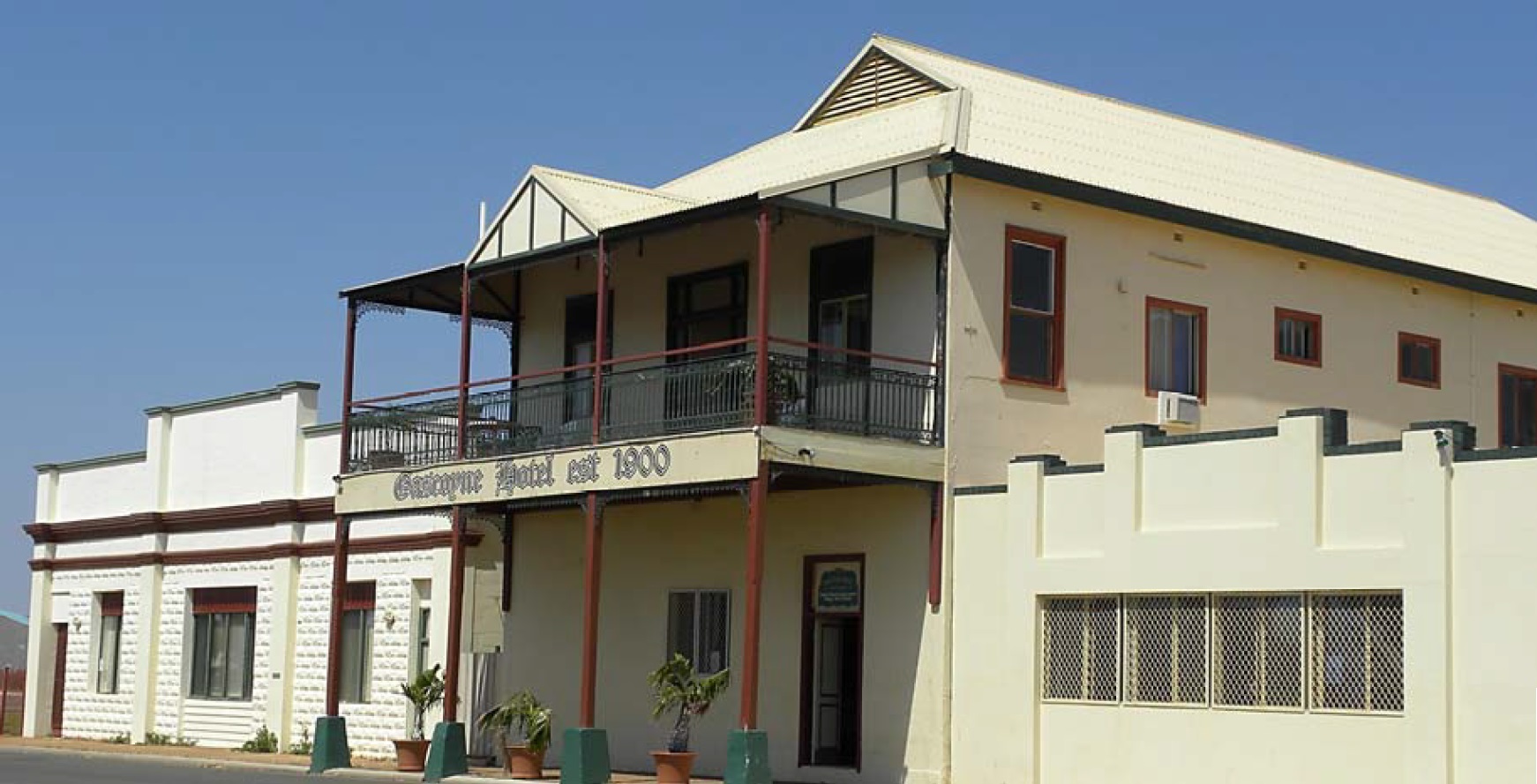
GASCOYNE HOTEL
Constructed in 1900 it was licensed as a hotel in 1911. It was initially used as a boarding house, however. Mr R. Newman, proprietor, stipulated that no women or children were allowed to board there as he wanted a quiet place to stay when he came in from the station.
|
|
|
|
4.
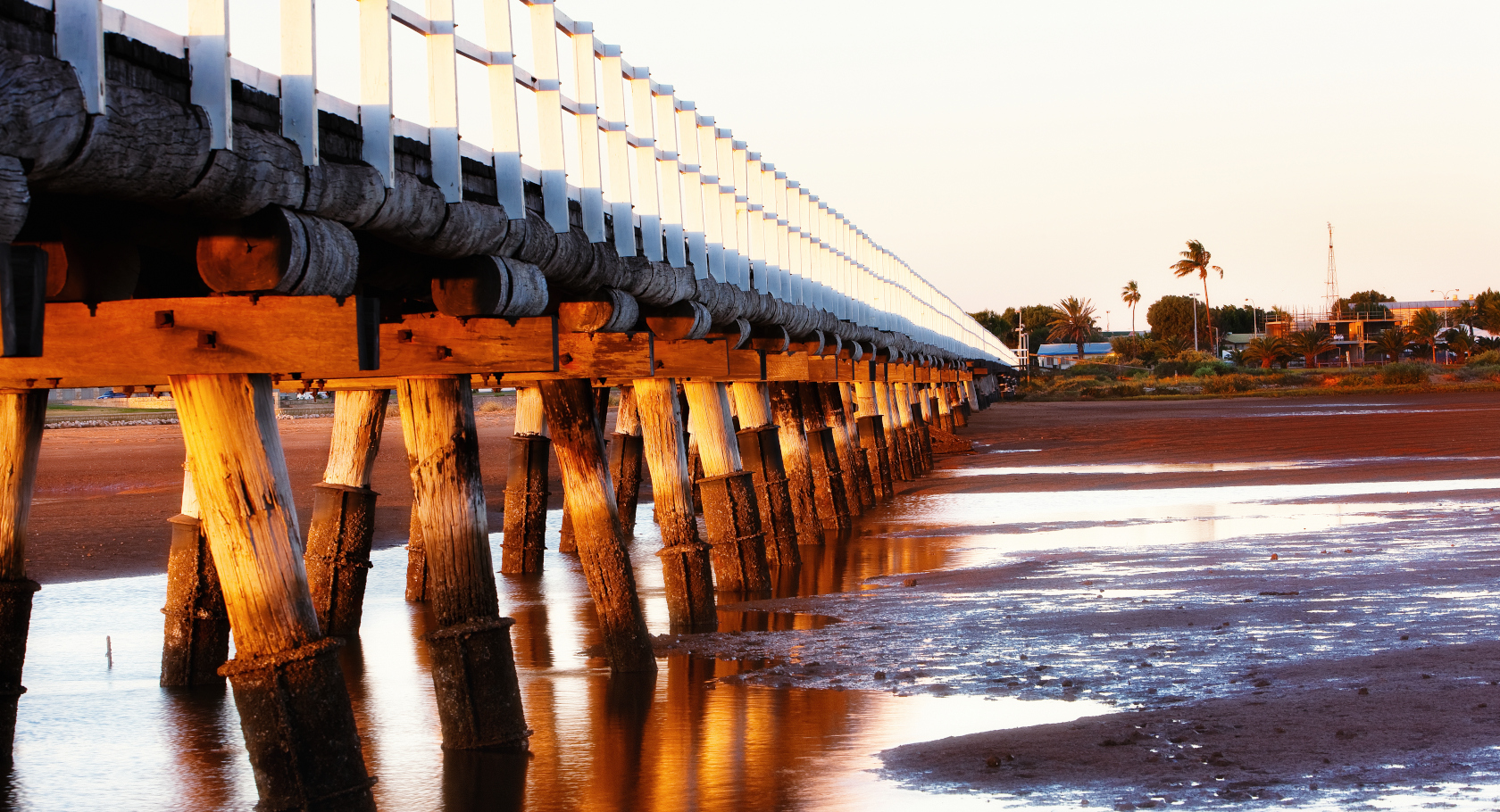
TRAMWAY BRIDGE AND TRAMWAY
Constructed around 1900, this bridge and tramway was used to transport sandalwood, wool and general goods from One Mile Jetty to the goods store on Camel Lane.
|
|
|
|
5.
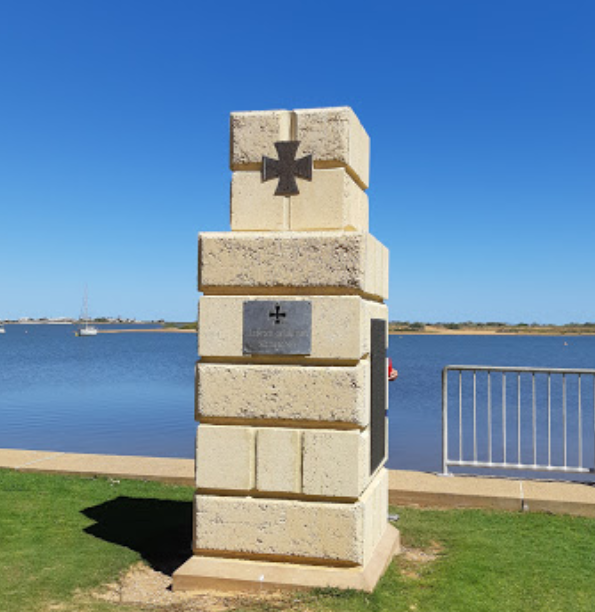
HSK KORMORAN MEMORIAL
This memorial was erected to honour the servicemen lost when the ship sank off the Carnarvon coast. Survivors of the Kormoran landed on the Carnarvon coastline.
|
|
|
6.
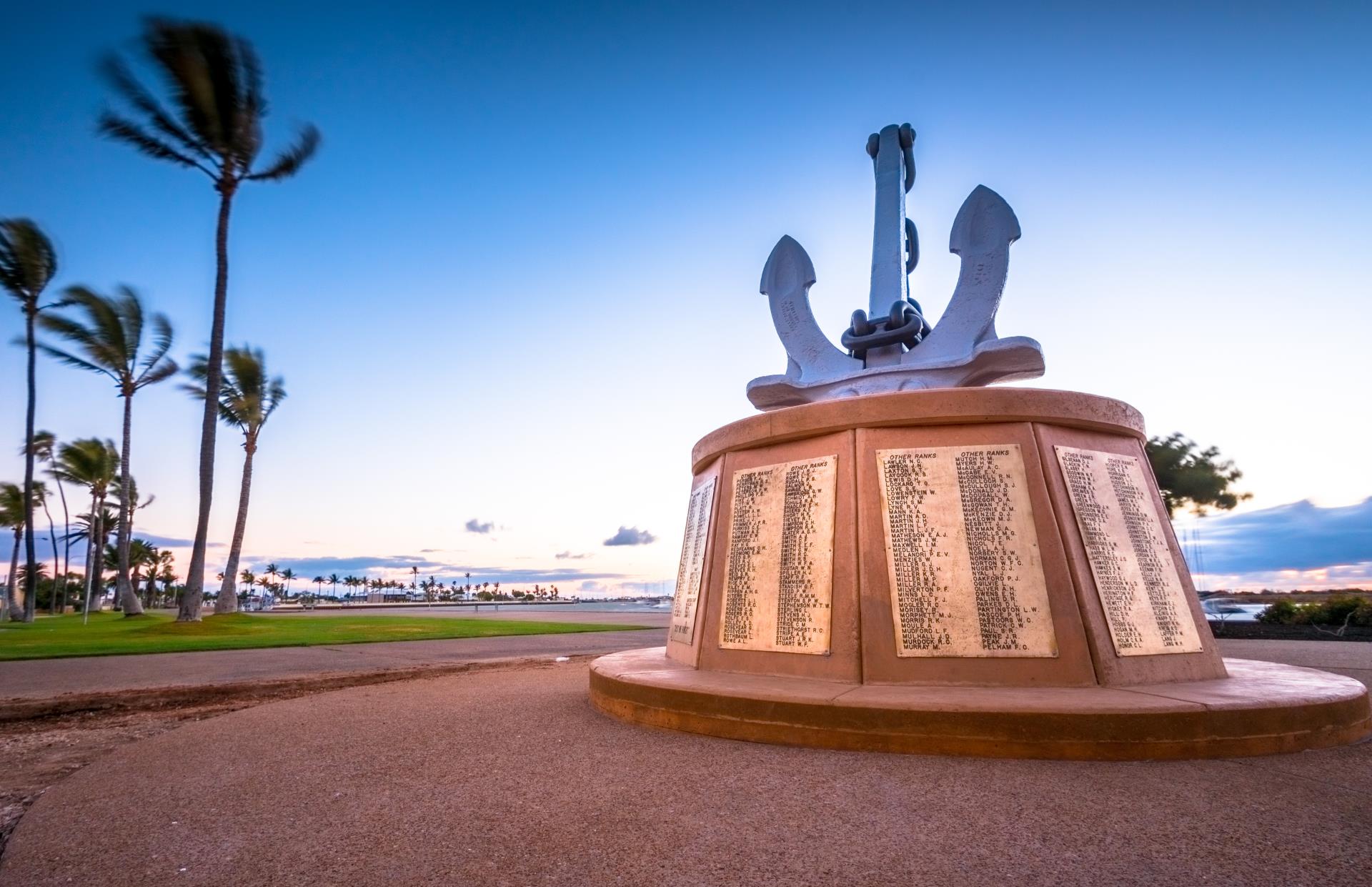
HMAS SYDNEY MEMORIAL
This memorial was erected to honour the servicemen lost when the ship was torpedoed off the coast of Carnarvon. Along the wall of Fascine Boardwalk there are commemorative plaques for each of the servicemen.
|
|
|
7.
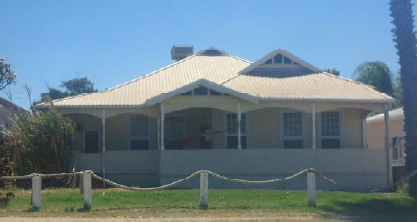
HISTORICAL TOWN HOUSE
Constructed in 1896 as a townhouse for a pastoralist when they came to town.
97 Olivia Tce
|
|
|
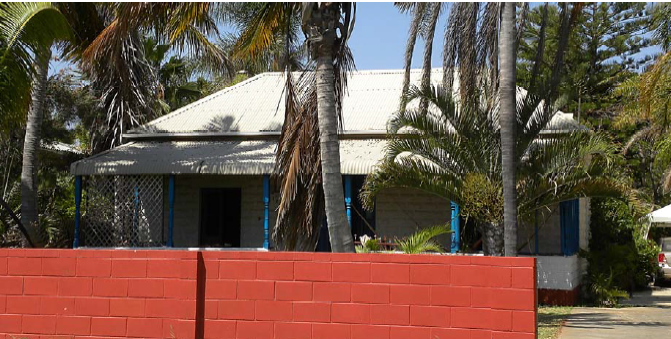
8.
HISTORICAL TOWNHOUSE
Constructed in 1894 this historic building has an association with many of the early pastoral pioneers within the locality.
101 Olivia Tce
|
|
|
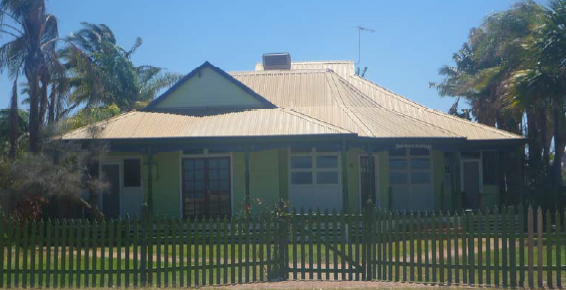
9.
HISTORICAL TOWNHOUSE
Constructed in 1902 this historic building was a townhouse for many early pastoral pioneers within the locality.
103 Olivia Tce
|
|
|
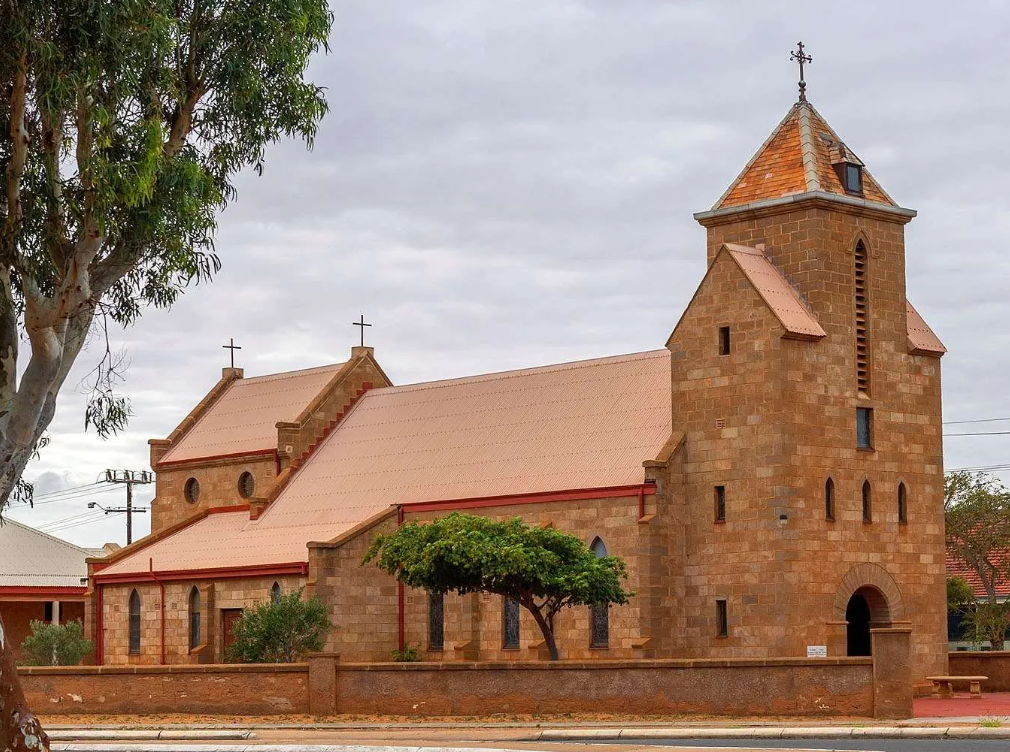
10.
ST MARYS STAR OF THE SEA CATHOLIC CHURCH
The Monsignor Hawes designed church was constructed in 1935 for the tender price of £2,087.
|
|
|
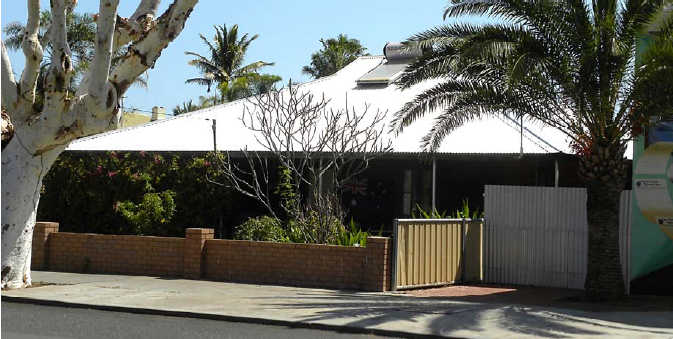
11.
HISTORICAL TOWNHOUSE
Constructed in 1903 by Mr and Mrs Charles and Jessie Wheelock, this period home with its wide verandah wrapping around the house is still the Wheelock family home today.
14 Francis St
|
|
|
|
12.
JUBILEE HALL
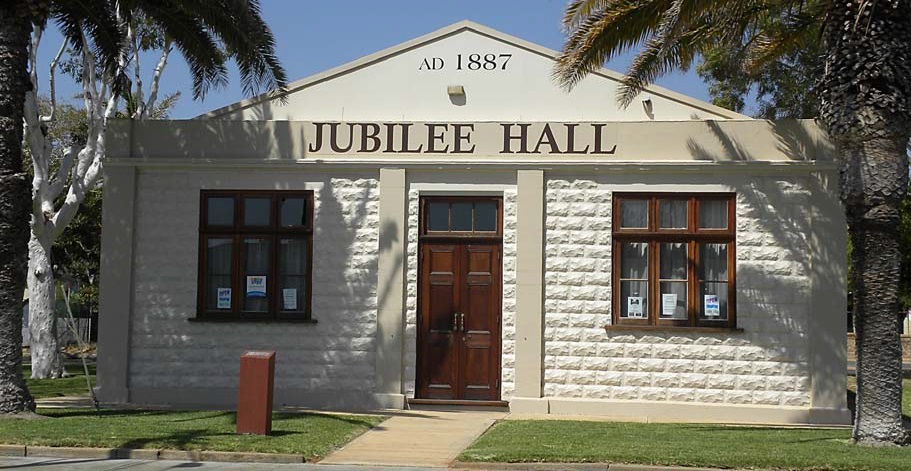
jubilee Hall was built around 1887 and altered for Queen Victoria’s Jubilee in 1887. Through the years it had a few alterations after being subjected to damage from cyclones. It has been used as a dance hall, library and Municipal Council Chambers.The building ceased functioning as Council Chambers on September 4, 1965, and as a library in 1973. Today it serves as a workshop for local potters, crafters and quilters.
|
|
|
13.
FORMER PARISH HALL
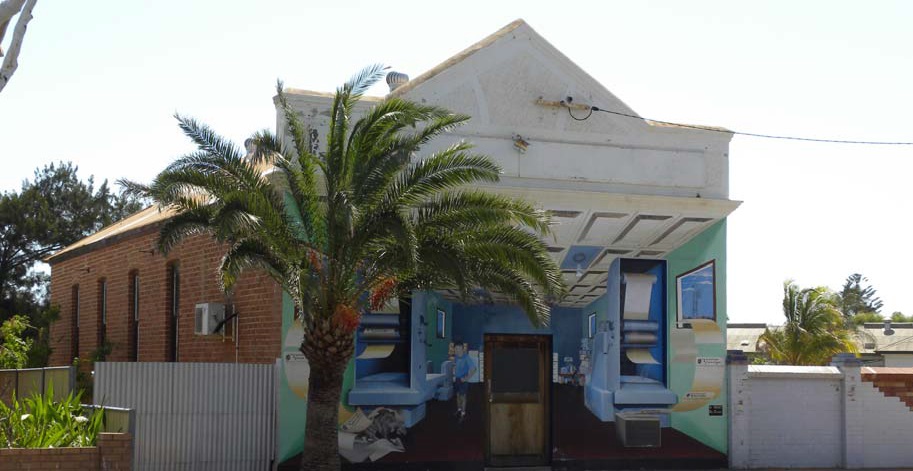
This building was constructed in 1905 from local pindan clay by the Freemans as the Masonic Hall and sold on to the Anglican Church in 1917 to be used as the parish hall for St George’s Anglican Church. It served as a town hall, picture theatre, sports venue, Sunday school and church hall for various religious groups until 1970. In 1972 the hall was sold to three partners and later David and Jenny Shelton bought the other partners out transforming the hall to operate as Gascoyne Printers. The hall later became the offices of both the Northern Guardian and Carnarvon Classifieds. Markus Boston, a local artist, painted the mural on the façade in 2000. The building is now used to display various art exhibitions.
|
|
|
14.
ST GEORGES ANGLICAN CHURCH
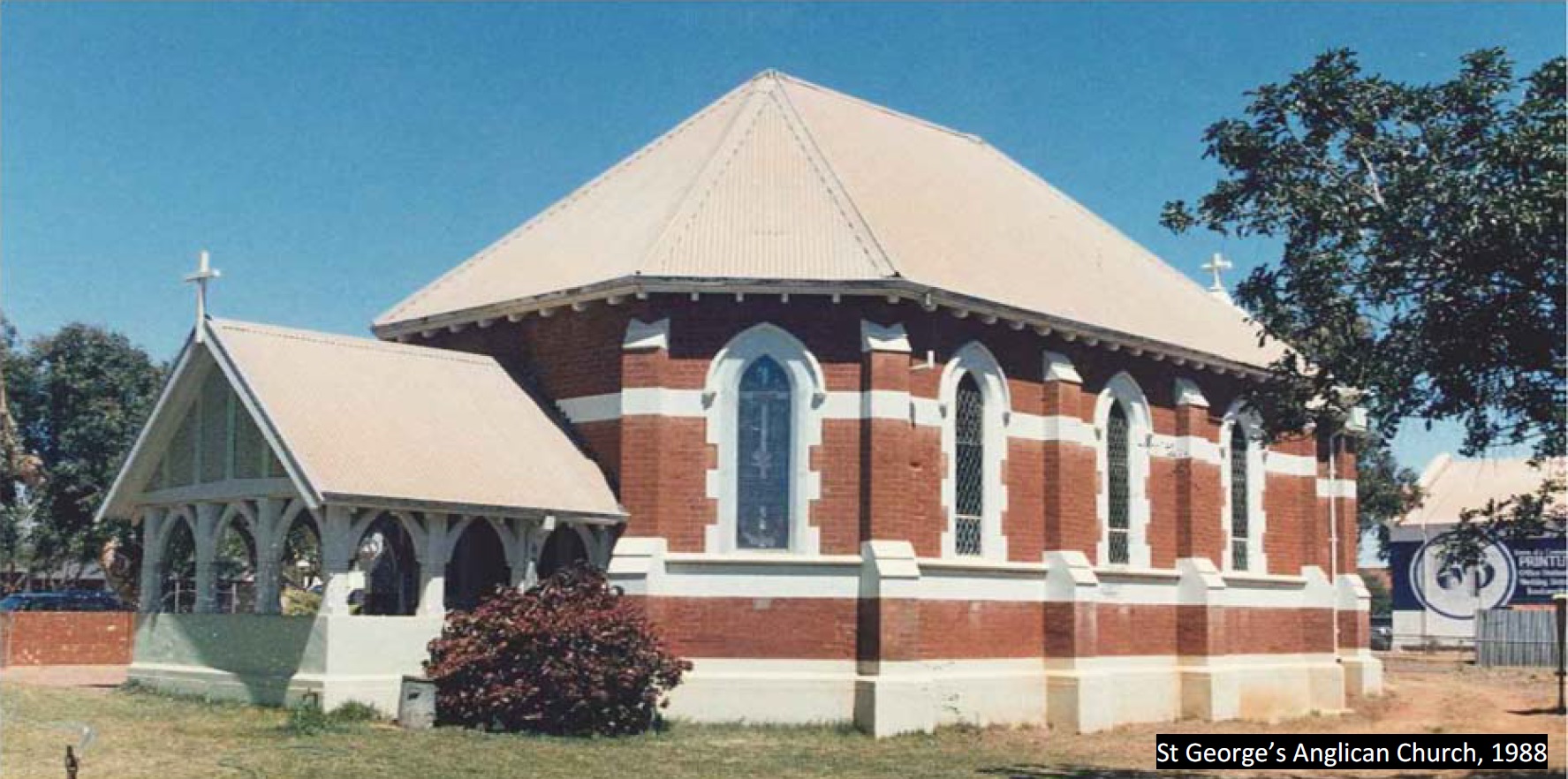
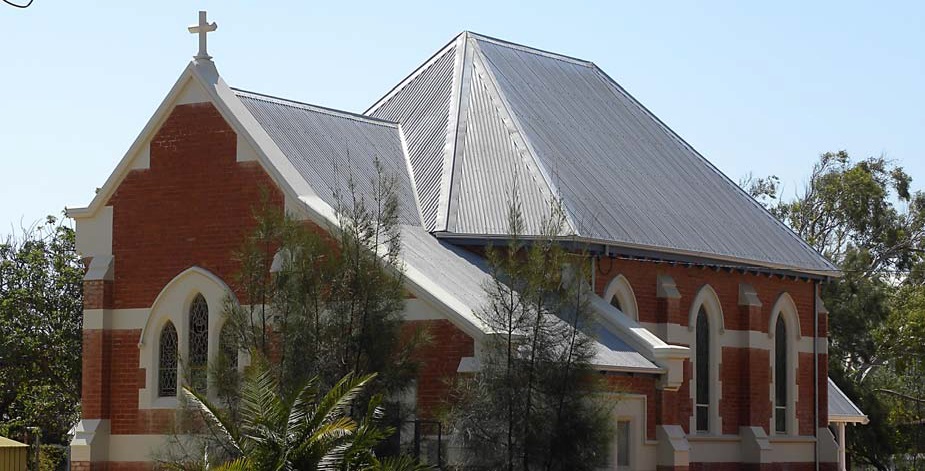
Constructed in 1907 with distinctive pointed arch windows local red-ochre, pindan clay tuck pointed bricks and heavy stucco bands at a cost of £1,400, donated by local pastoralists. The church has one stained glass window and three leadlight windows on the east side above the sanctuary. The first service at St George’s Anglican Church was held on Sunday 13 October 1907. In the 1960 cyclone, the church’s belfry was blown down and has never been replaced
|
|
|
15.
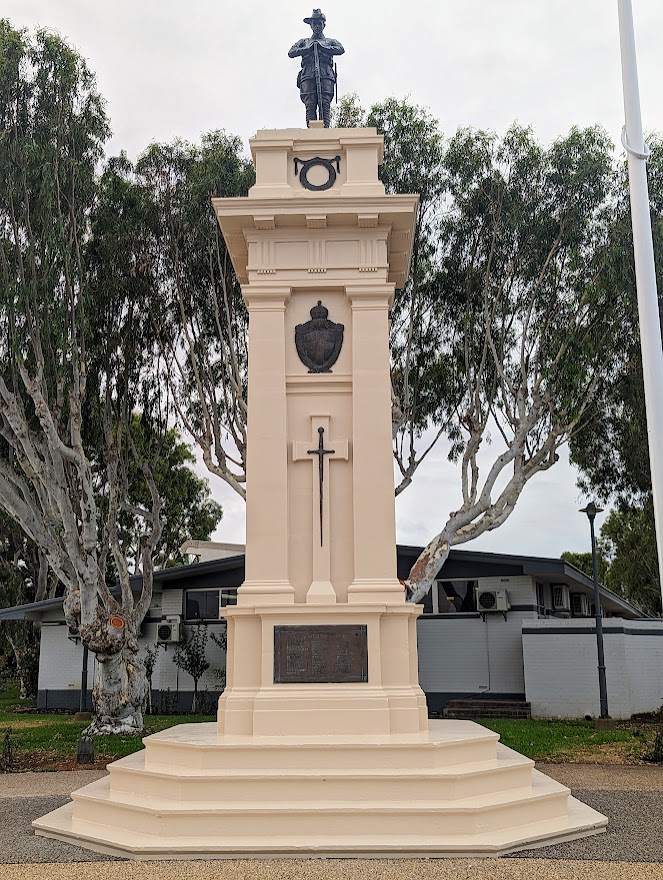
WAR MEMORIAL
Shipped from Perth to Carnarvon in 1923, the Memorial stands as it did when first erected, constructed of Donnybrook sandstone. Carnarvon RSL, in preparation of the centenary celebrations of WWI, installed the figure of Soldier Billy, the bronze figure in 2015
|
|
|
16.
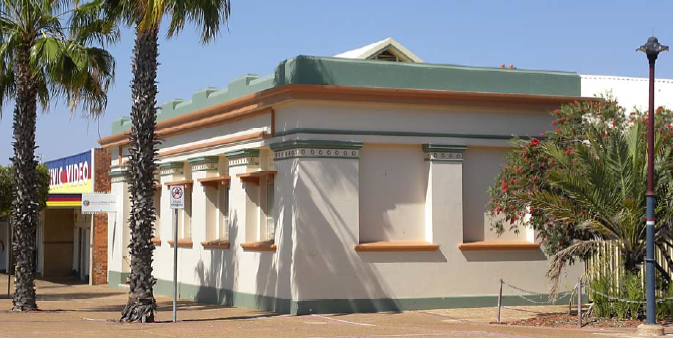
HOMEWEST BUILDING
A single-storey brick and iron building constructed in Inter War Free Classical style in 1929. It became the Bank of New South Wales until 1950, 1961 saw the extension and renovations.
|
|
|
17.
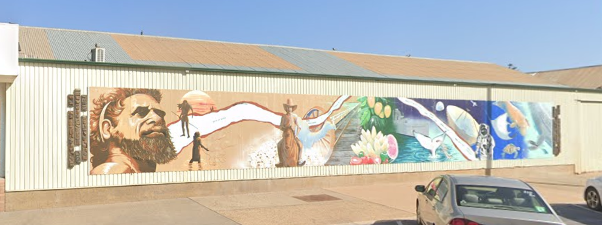
CARNARVON MURAL
This beautiful mural is a visual time capsule through the history of Carnarvon capturing who, what, when and how the town came to be what it is today. Created by Carol Clitheroe and Tich Dixon of Never ending Designs 2017.
|
|
|
|
18.
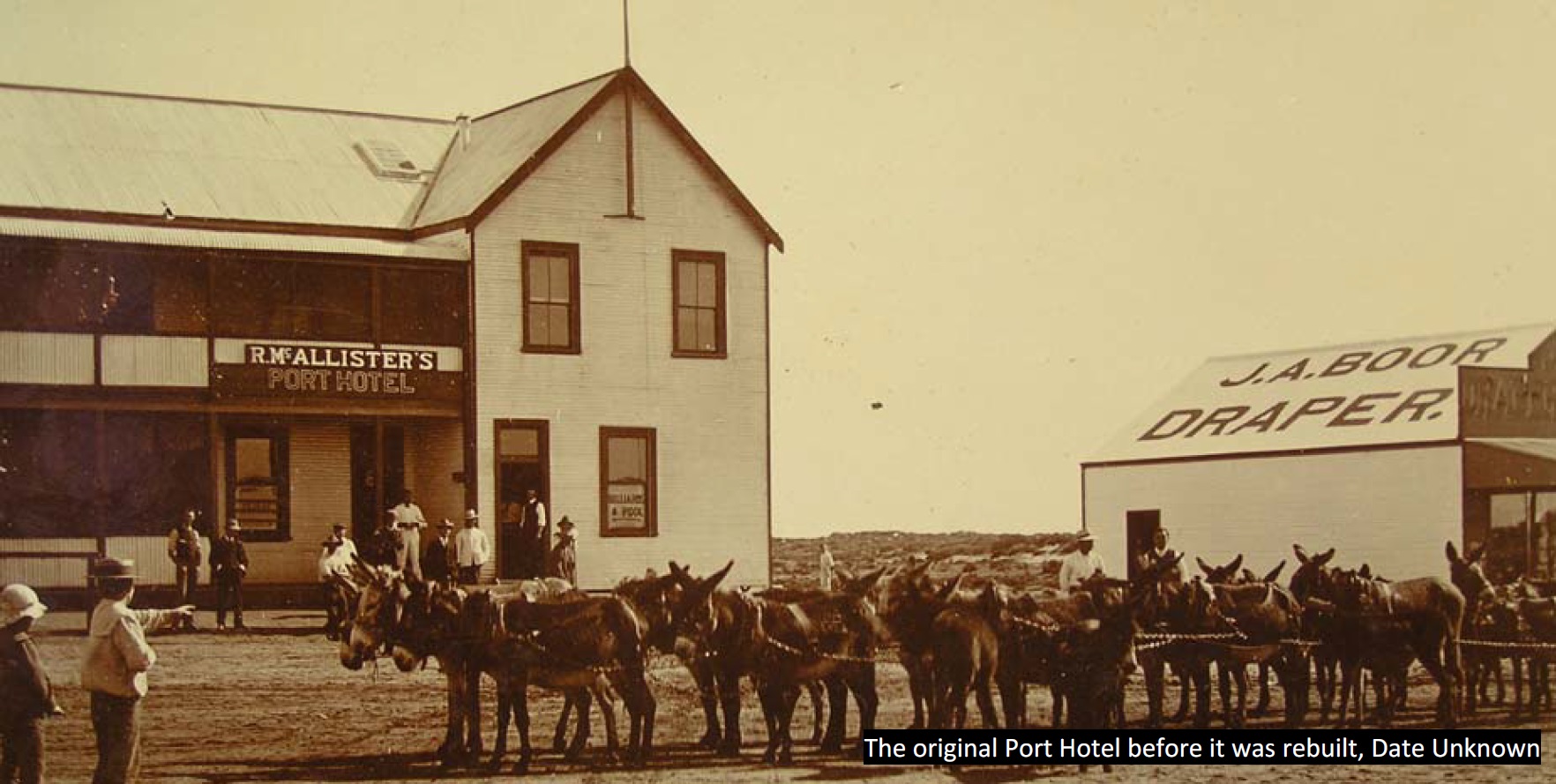
PORT HOTEL
The first Port Hotel was built circa 1880 on Olivia Terrace. Flooding in the late 1890s and early 1900s seriously damaged the wood and iron building and the building was relocated to its present location at the corner of
Robinson and Alexandra Streets. In 1925 the hotel was damaged by fire and was demolished. Once again the remaining building fabric was used to rebuild the hotel. In 1960 the hotel was again damaged by a cyclone and was upgraded to what it is today. Wilson Tuckey’s family owned the hotel from the 1960s to the 1990s.
|
|
|
19
KNUCKLEY'S
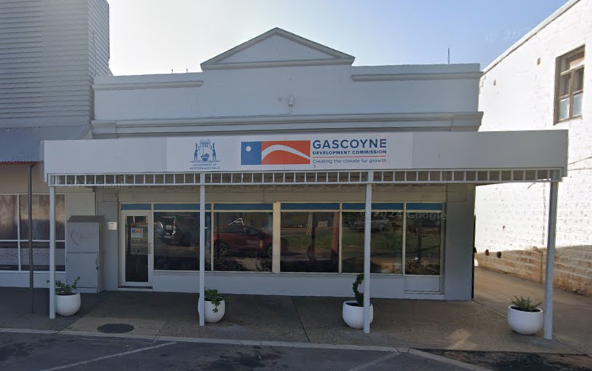
This little building was constructed in 1907 with the unusual feature of being constructed with only three walls that
attached to the east wall of the 1897 Dalgety Woolshed. The first occupant was Mr Edward Angelo, stock agent. By the end of WWI William Knuckey was running a clothing and boot making store. During WWI it was the War Rations and Salvation Army office. In the 1970s the premises once again served as a butchery known as Blacks. In 1995 the current owner purchased the property to prevent demolition and completed extensive renovations.
|
|
|
|
20.
ANZ BUILDING
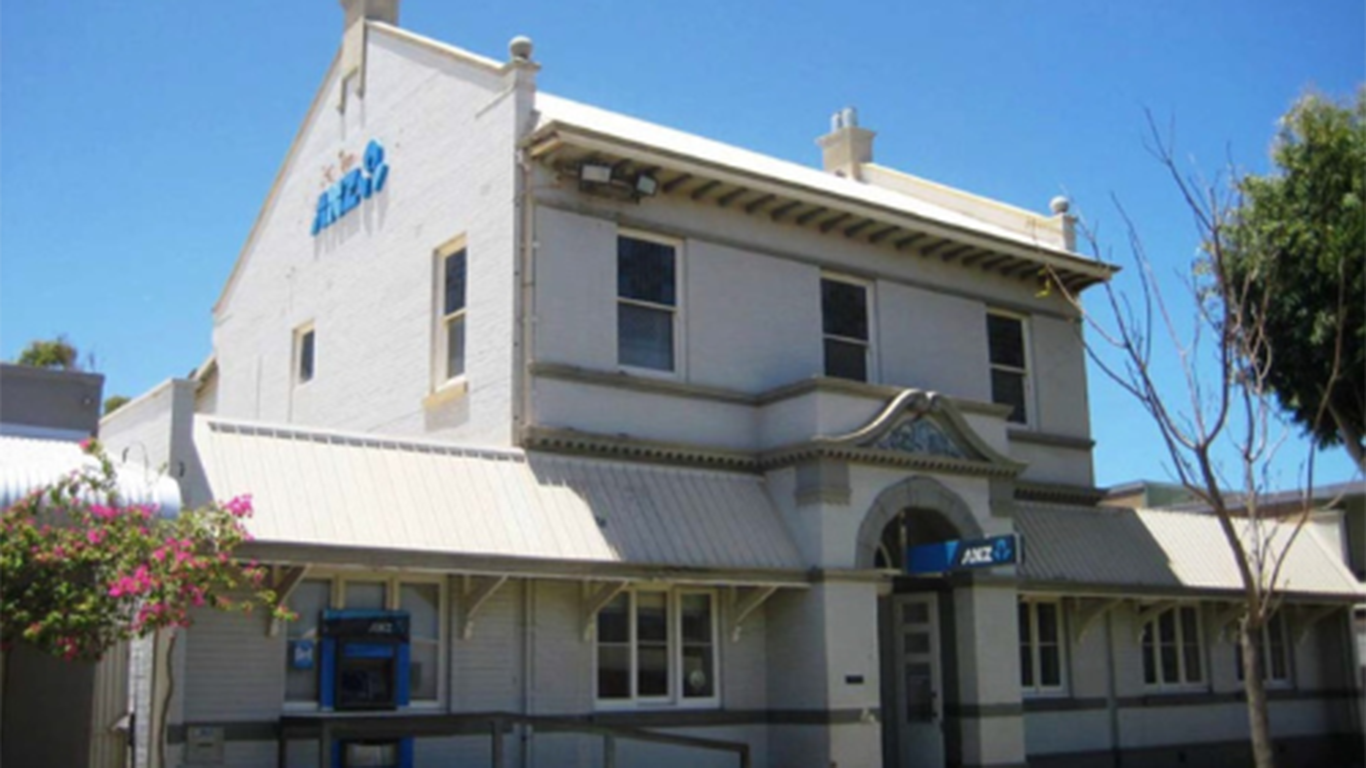
In 1905 this building was built using handmade bricks of local pindan clay. Originally built for the Union Bank
of Australia Ltd, it has undergone some extensions and alterations over the years and became the ANZ Bank in October 1951. In 1998, the outer leaf of brickwork on the upper section of the west wall peeled off and collapsed
on to the roof of the single storey extension below. The wall has been repaired. The ANZ
Bank building continues to provide banking services for the district today.
|
|
|
|
21.
GASCOYNE MEMORIAL BUILDING
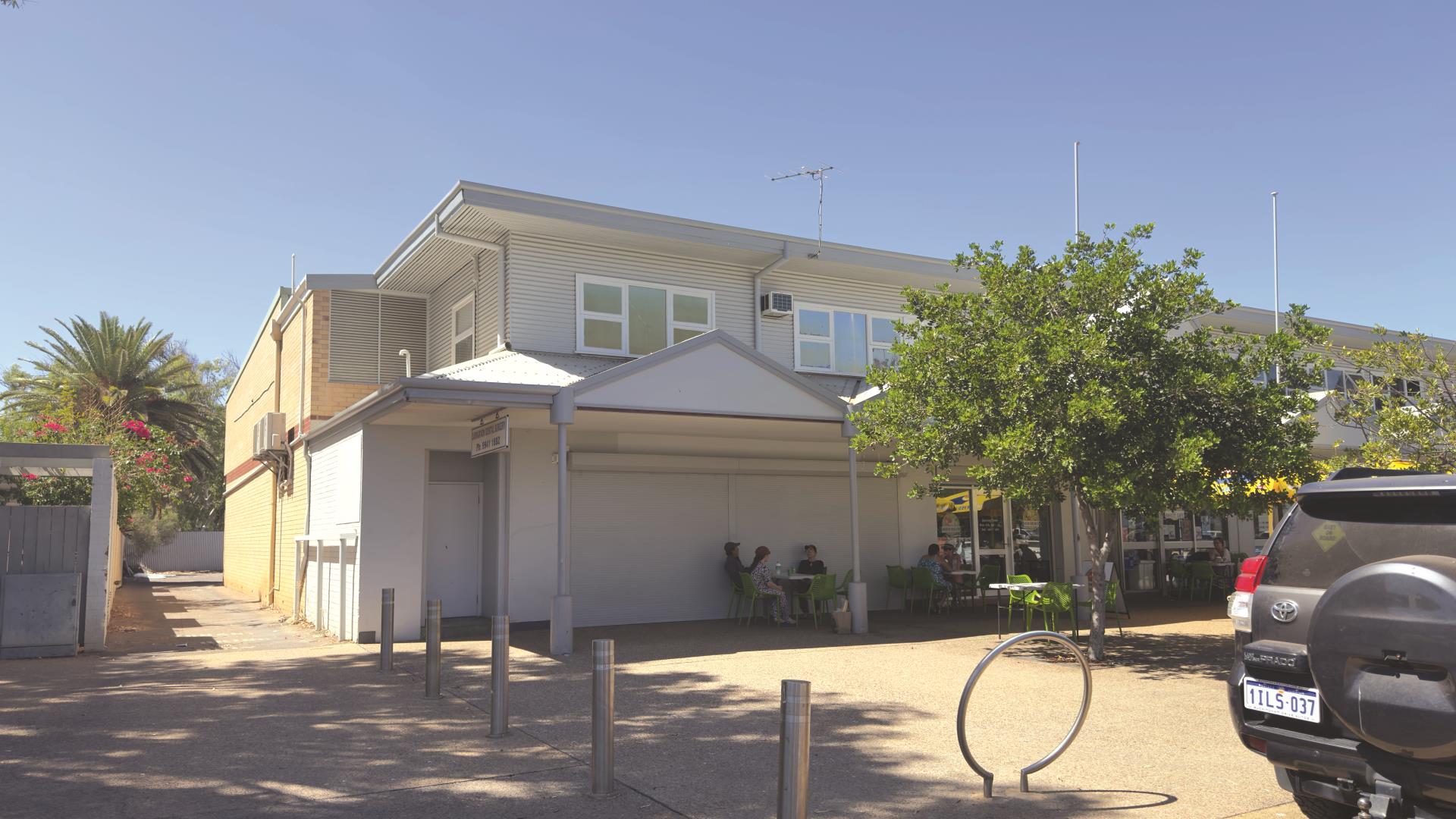
Constructed in 1920 the building was originally built as a picture theatre and was later converted to accommodate shops and businesses. The theatre was very popular during the war years for balls and social gatherings and became
a very important venue for locals’ activities over the years. The theatre ceased to operate in the early 1970s.
|
|
|
22.
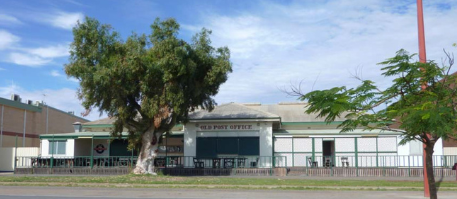
OLD POST OFFICE
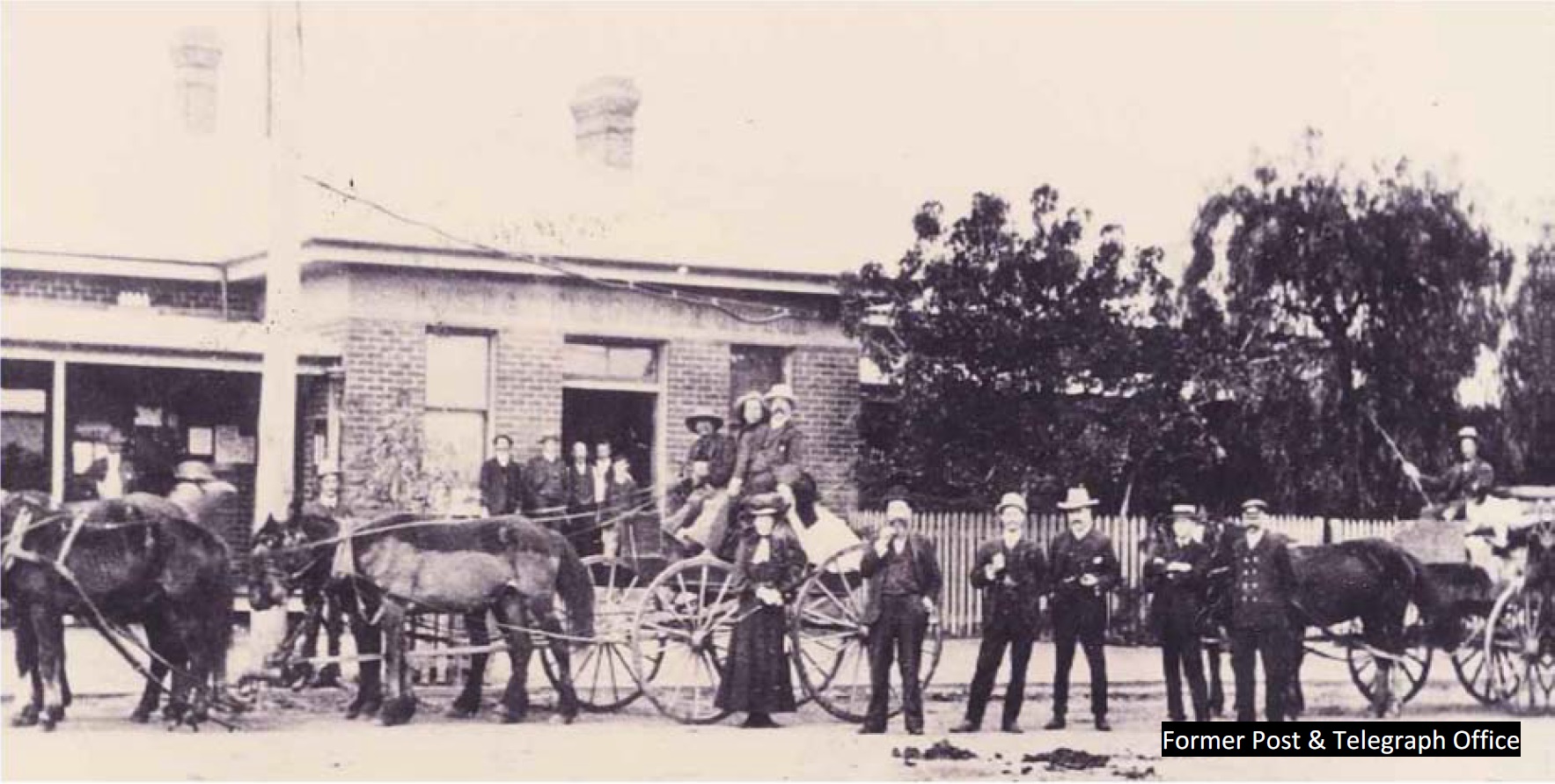
The Old Post Office was built around 1900. In 1928, Charles Kingsford Smith became famous the world over for completing the first flight across the Pacific Ocean. Few people know, however, that this flight had its foundations in a two year period Kingsford Smith spent delivering the mail and other goods around the remote Gascoyne Region. The Kingsford Smith mail run can still be followed today and begins at the former Carnarvon post and telegraph office.
|
|
|